Raja Ampat
The richest reefs on earth, at the far edge of the map. A Raja Ampat liveaboard is the only way in, and we sail the whole archipelago.

The richest reefs on earth, at the far edge of the map. A Raja Ampat liveaboard is the only way in, and we sail the whole archipelago.
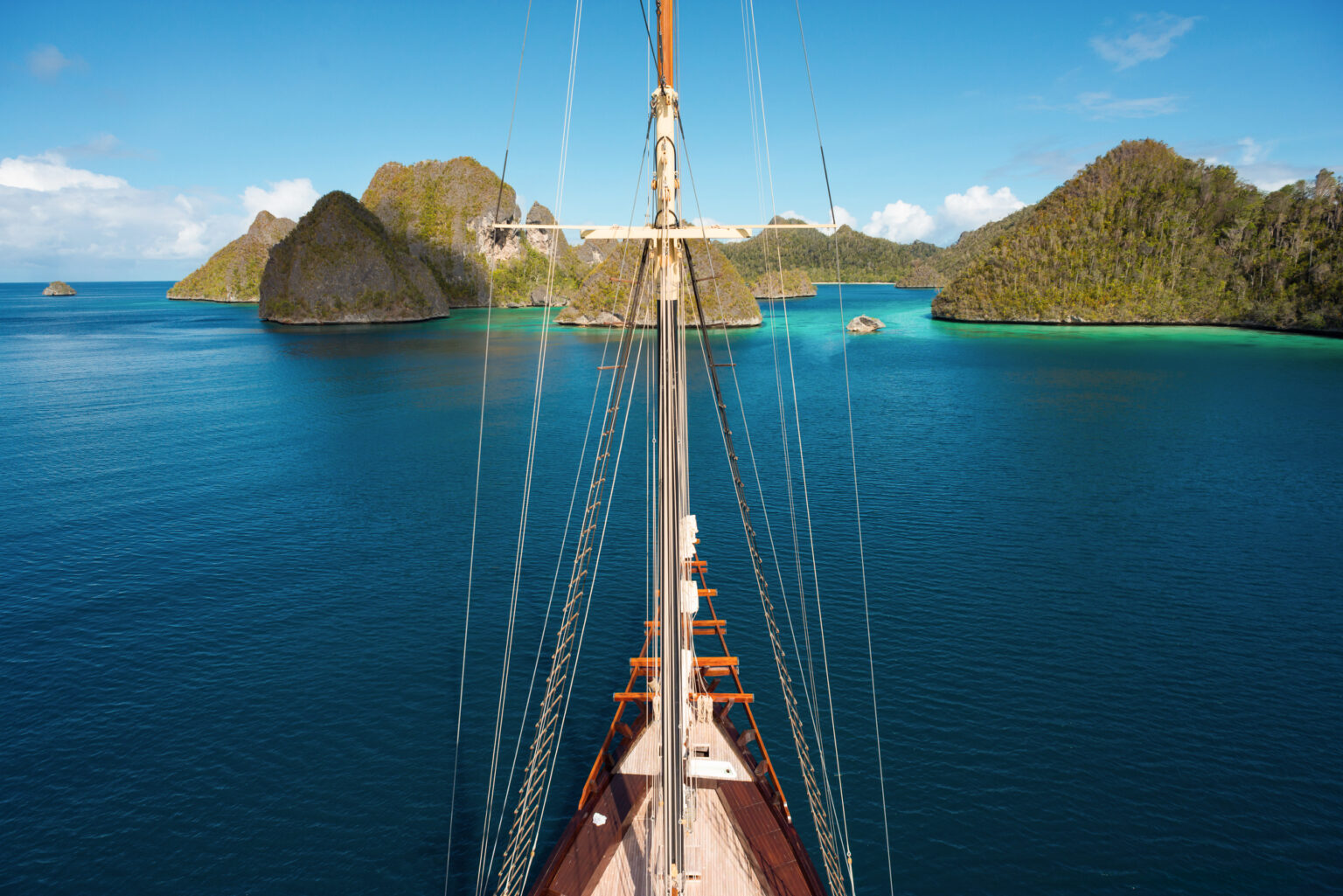
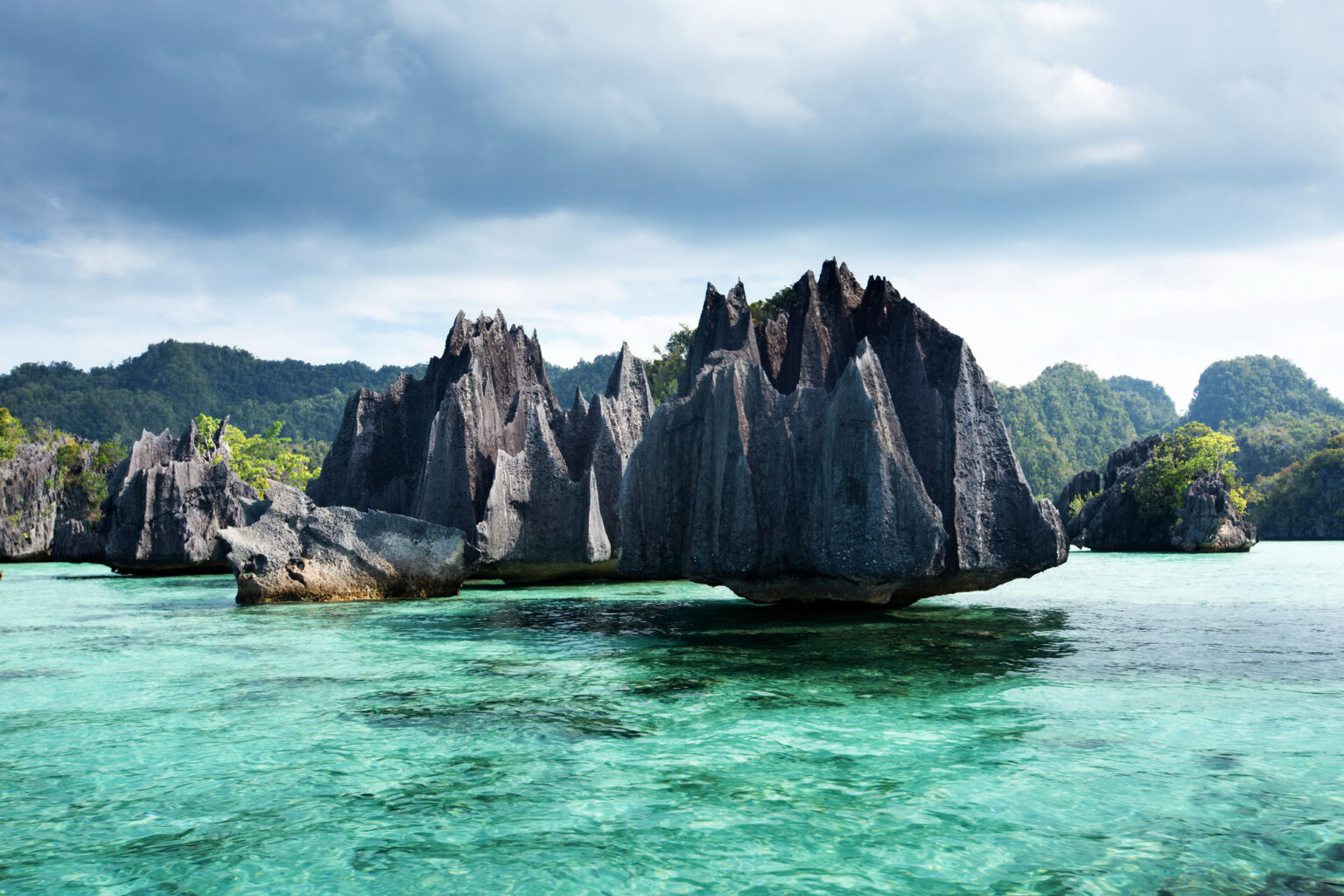
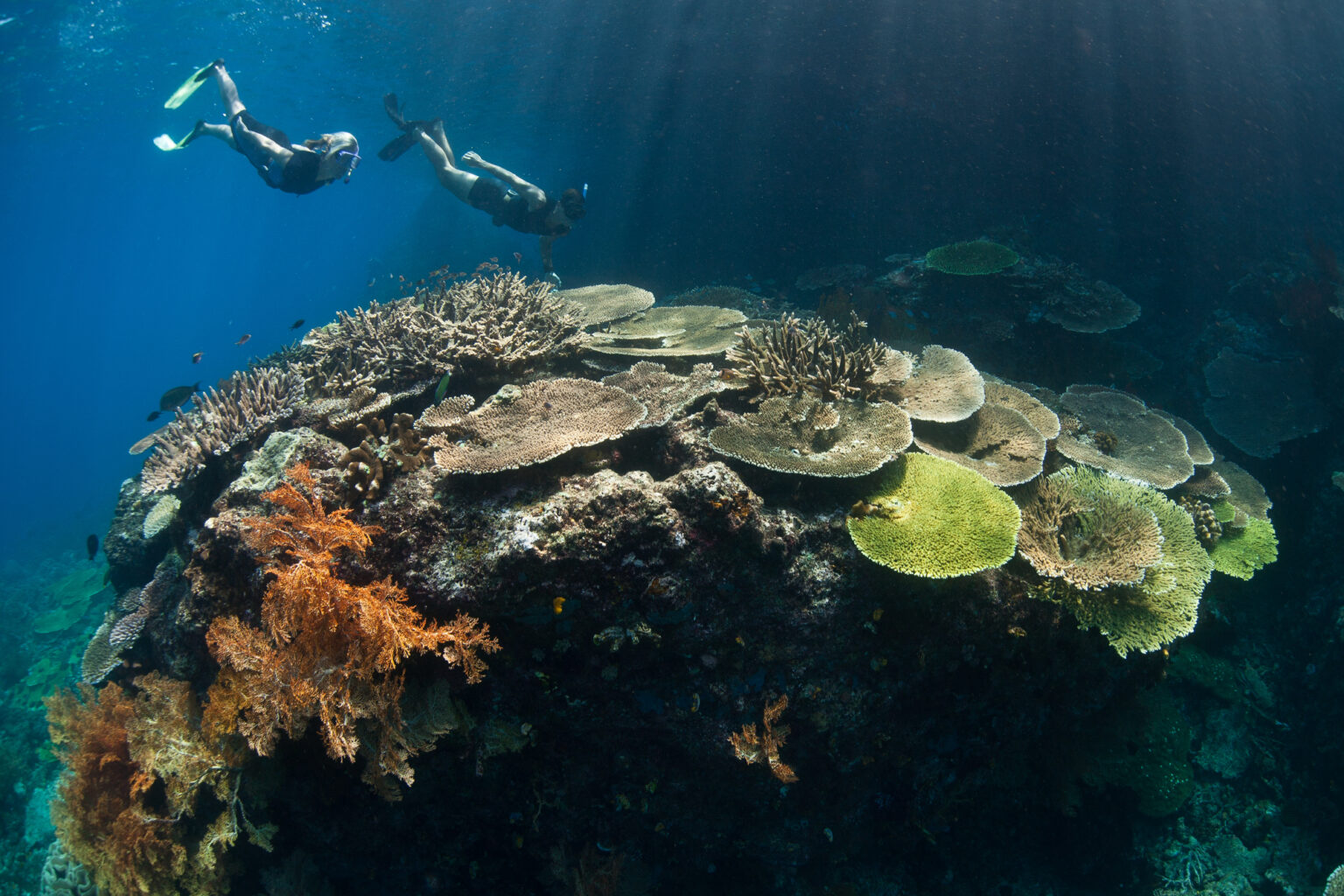
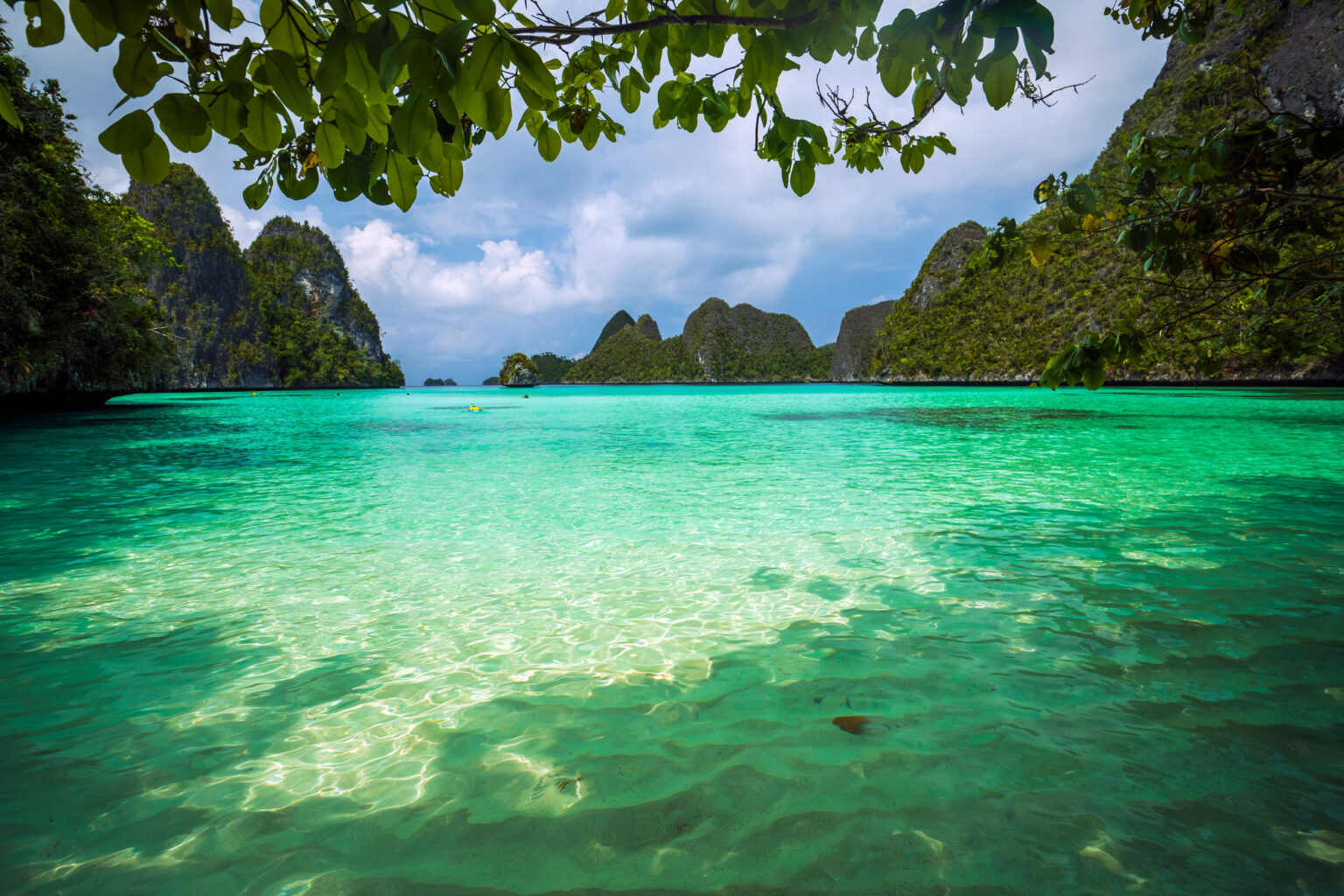
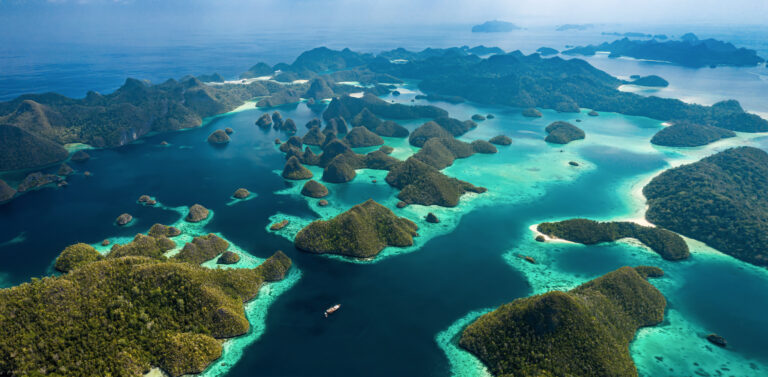
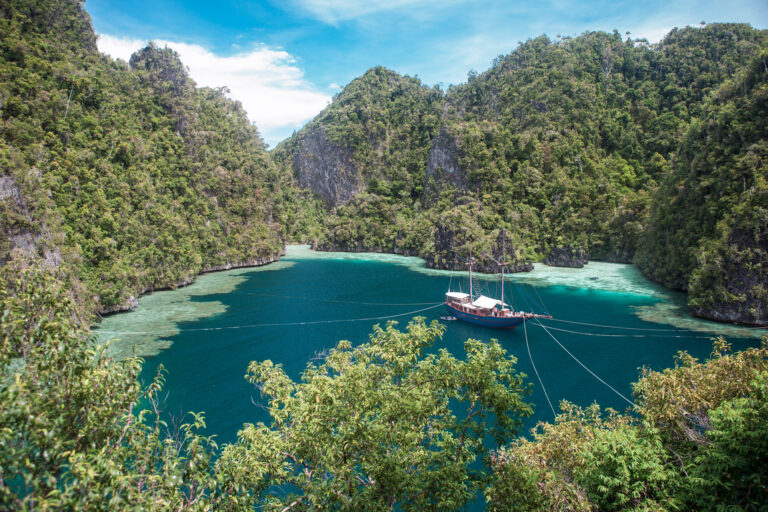
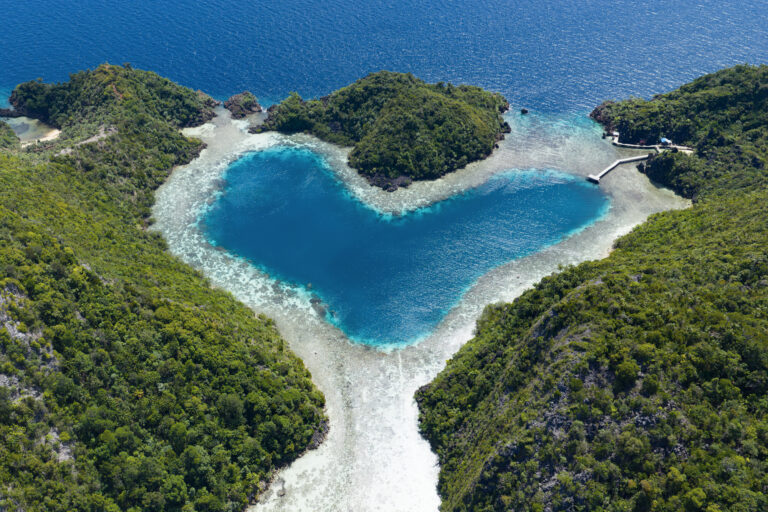
Raja Ampat holds more coral and fish species than anywhere else on earth: four main islands and a scatter of more than a thousand smaller ones, most of them uninhabited. Birds of paradise call from the trees above the water; manta cleaning stations and vertical walls wait below it. The reputation is earned. It's also genuinely remote. There's no day trip to Raja Ampat and no road in. You reach it by liveaboard or not at all, several days of sailing between reefs far from anywhere. That distance is the point. The boats that come this far have the sites almost to themselves.
Raja Ampat sprawls across an area the size of a small country. These are the anchorages that earn the miles.
01 / 06
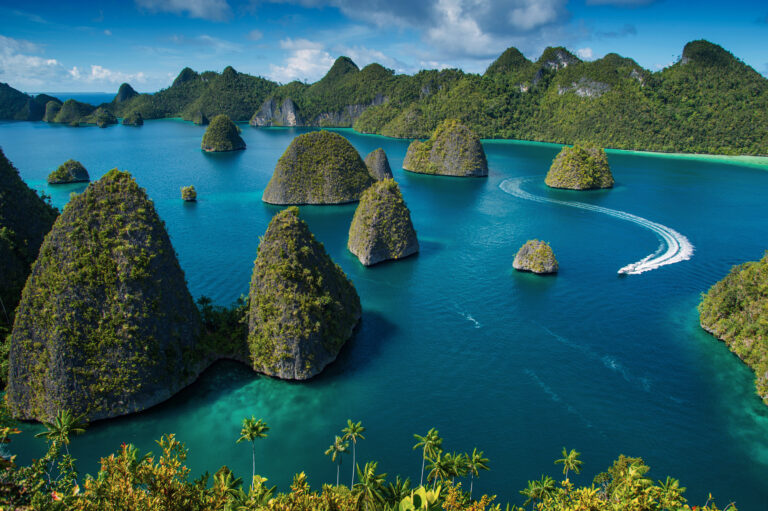
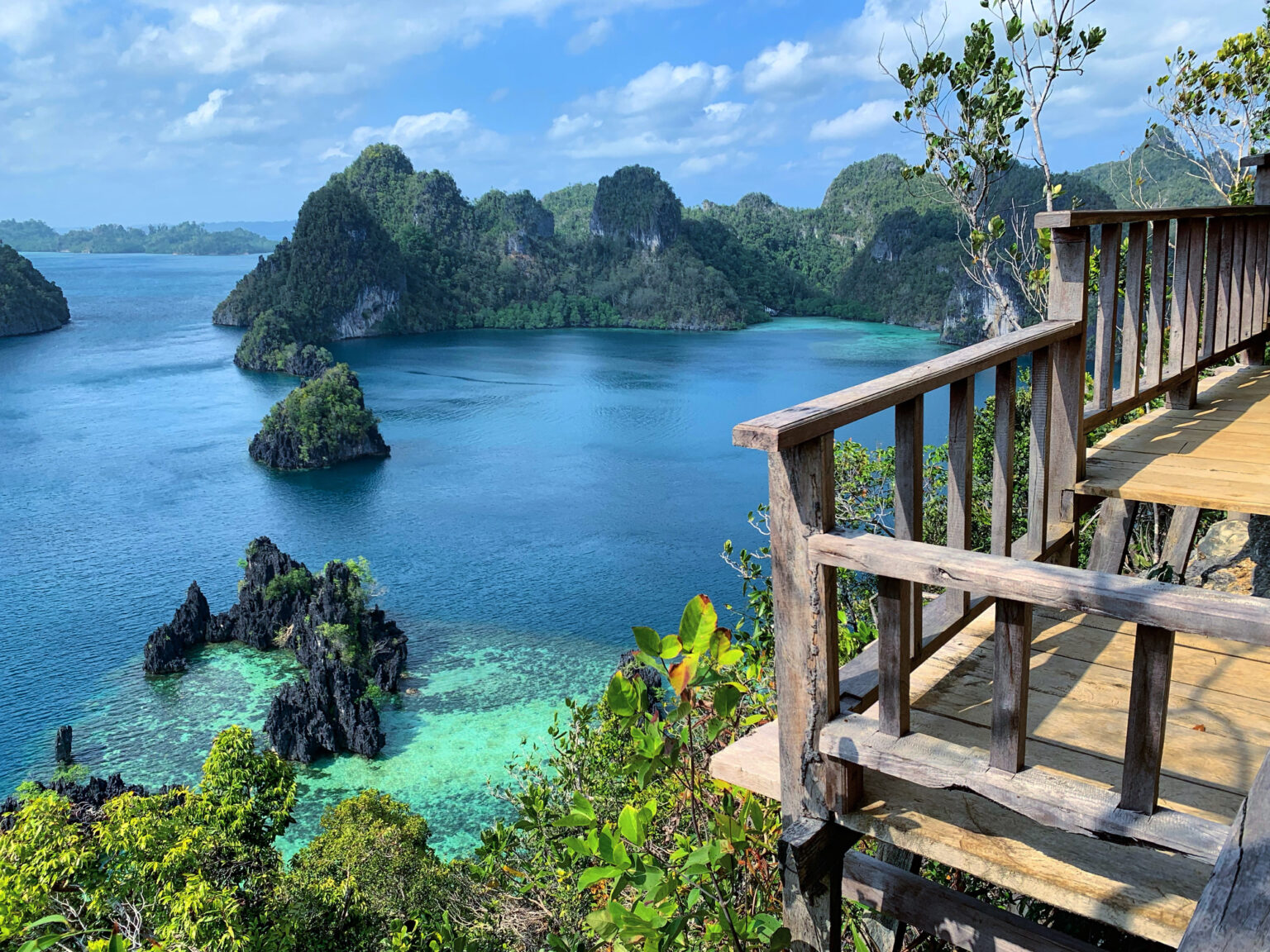
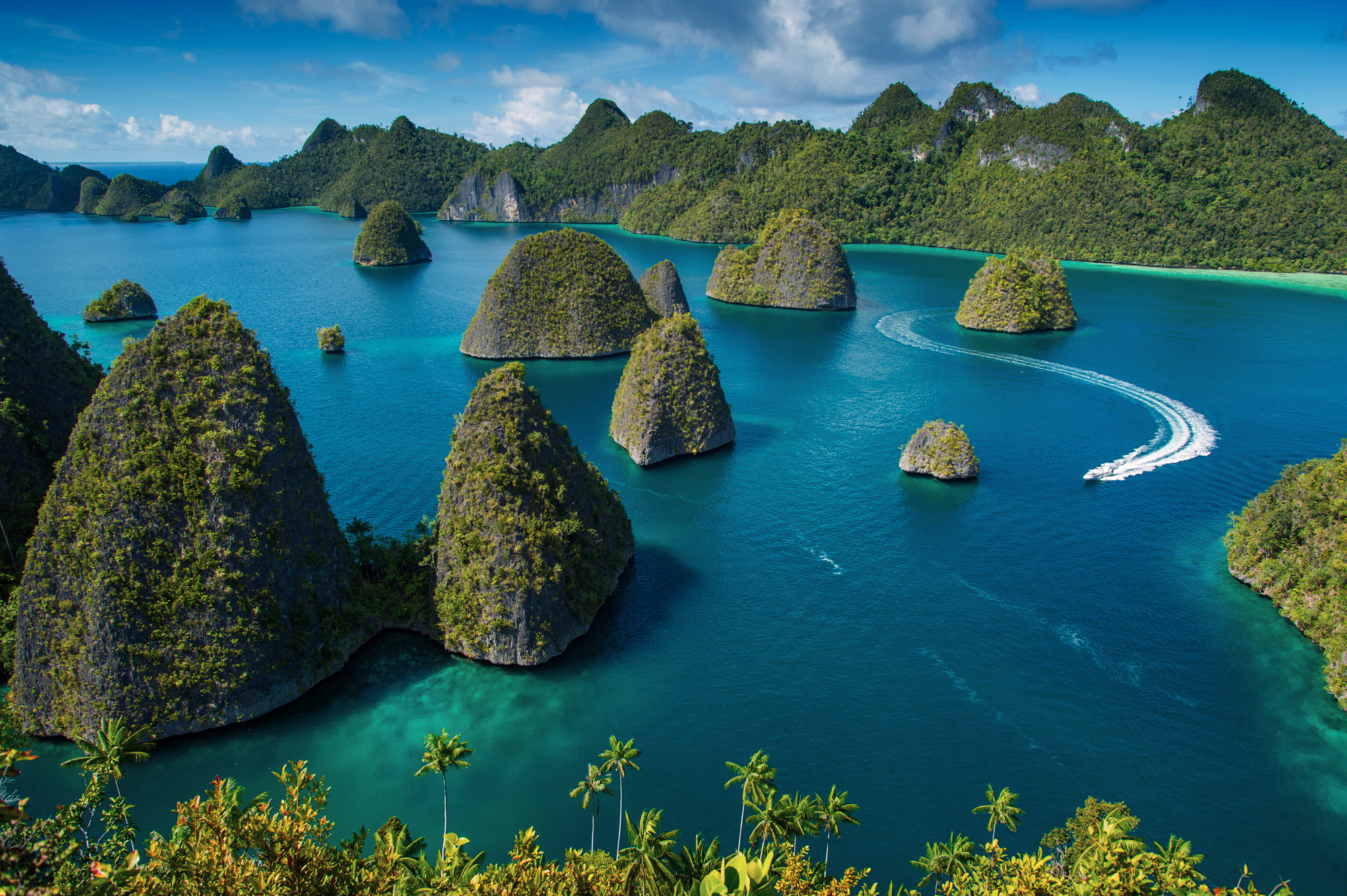
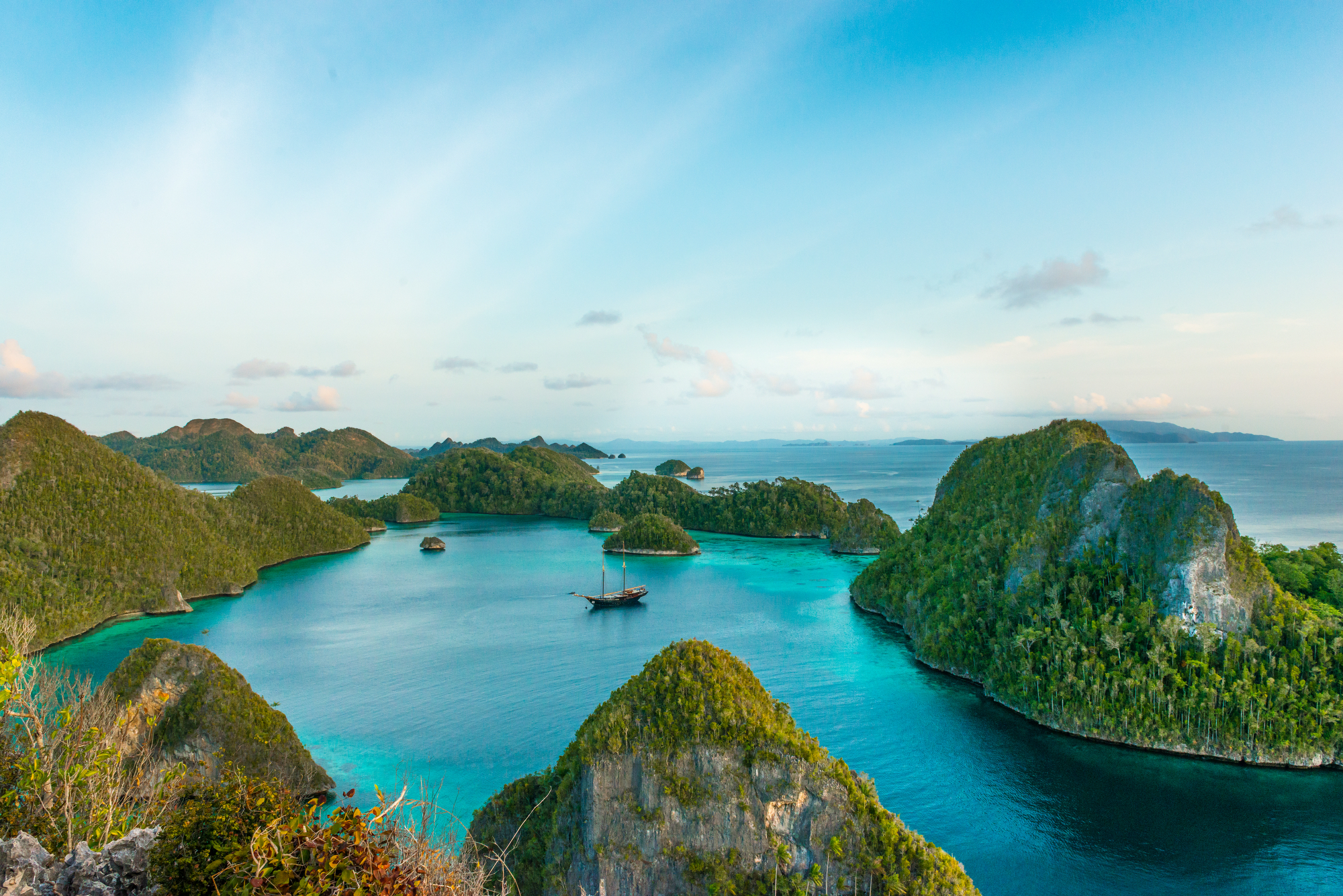
The image that sells Raja Ampat: a maze of green karst peaks rising straight out of turquoise water. The climb to the marked viewpoint is steep and worth every scramble, with lagoons unspooling in every direction below. It sits in the far north, a long run from anywhere, so the boats that make it usually have the summit to themselves.
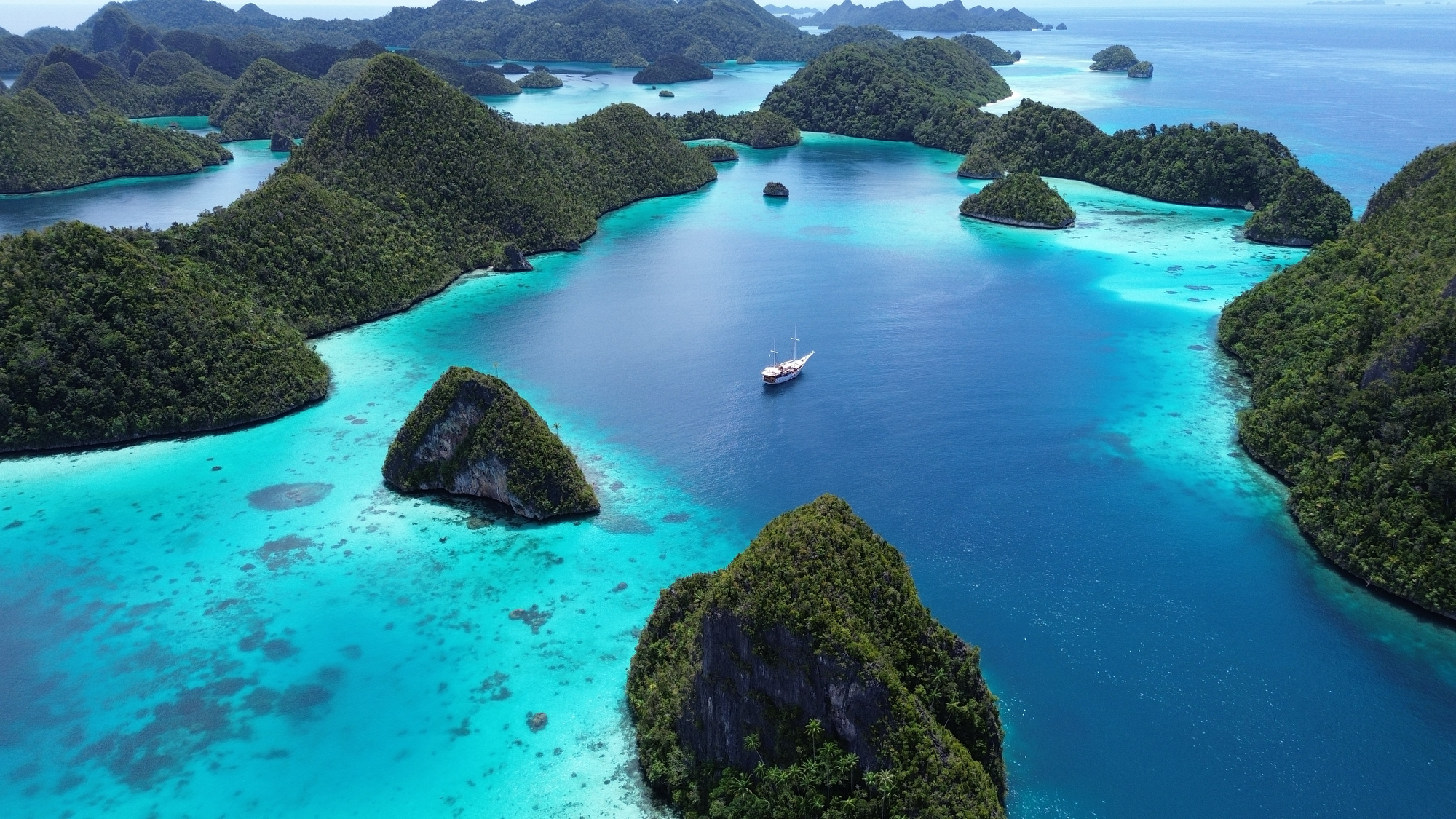
Raja Ampat rains a little all year, so forget wet and dry. What changes is the sea, calm and clear for half the year, rough enough to empty it the other half.
JAN
Sailing Conditions:
CALM
The calm heart of the year, and the reason most people fly in. The seas go glassy, the visibility opens past thirty metres, and the reef mantas gather at the Dampier Strait cleaning stations, eight to fifteen queuing at a single spot through the peak weeks of January and February. Best water and best wildlife at once, no trade-off. It's peak season, so the good boats book six months to a year out.
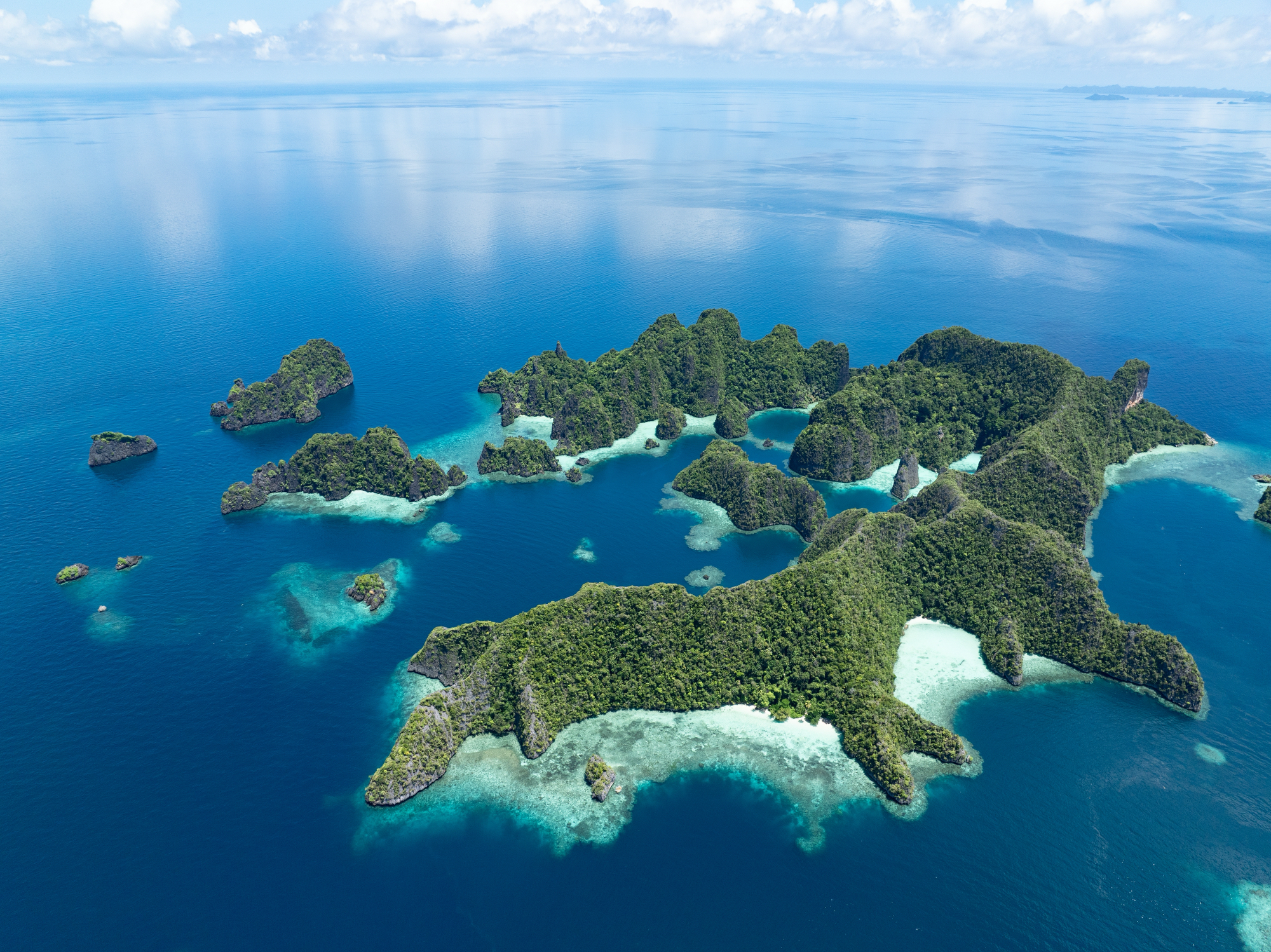
Raja Ampat is liveaboard country. There's no road in and no day trip out, so these are the boats built to sail it, and to sail it well.
Every trip here is a liveaboard, so the real question is who you sail with and what you're chasing. Three ways to do it.
Most questions about a Raja Ampat liveaboard come down to getting there, when to go, and what it costs to reach somewhere this remote. Here's the honest version of each. Anything we haven't covered, message us on WhatsApp and a real person answers.